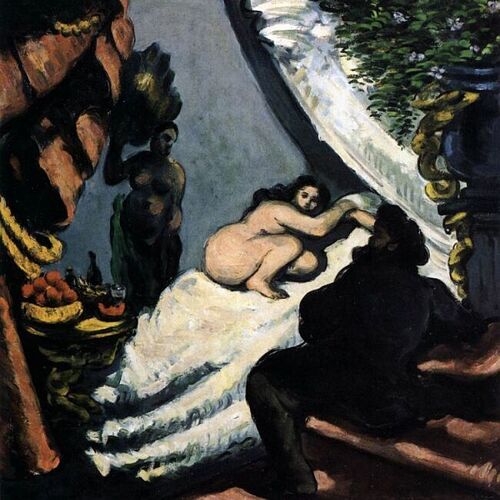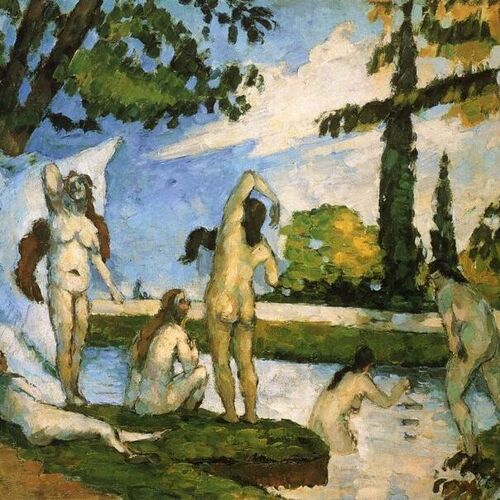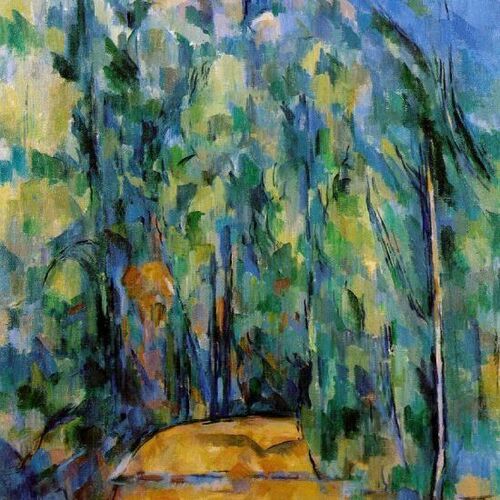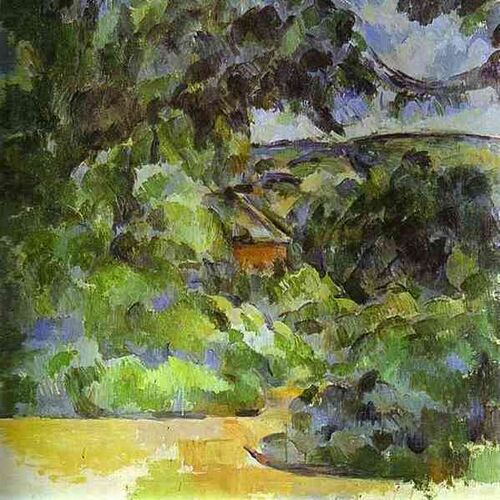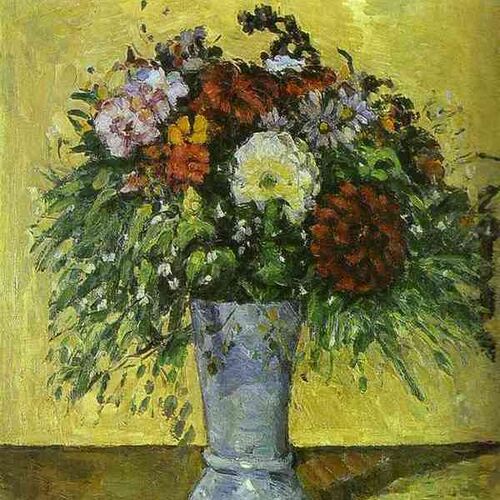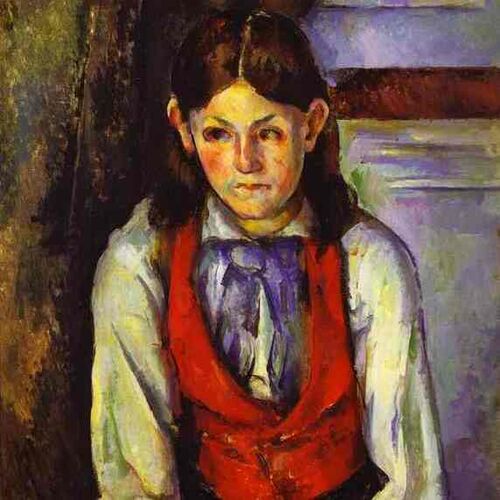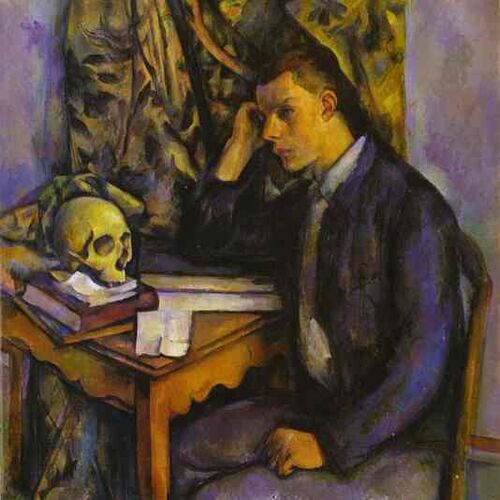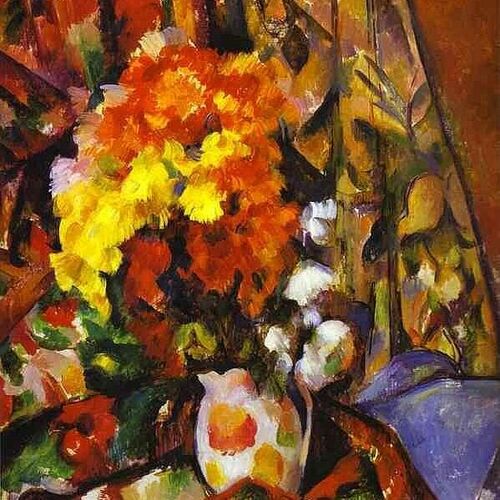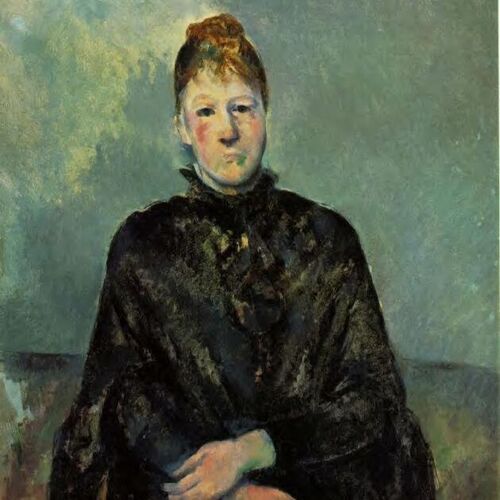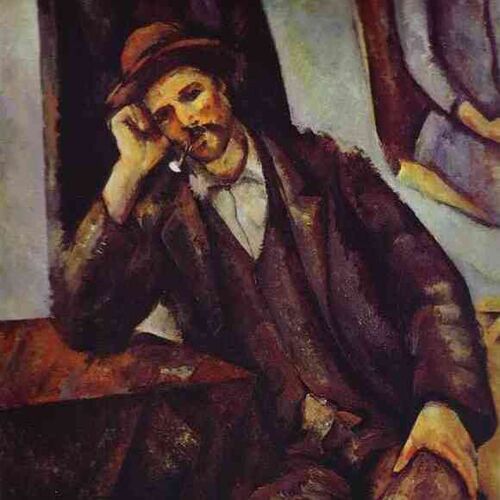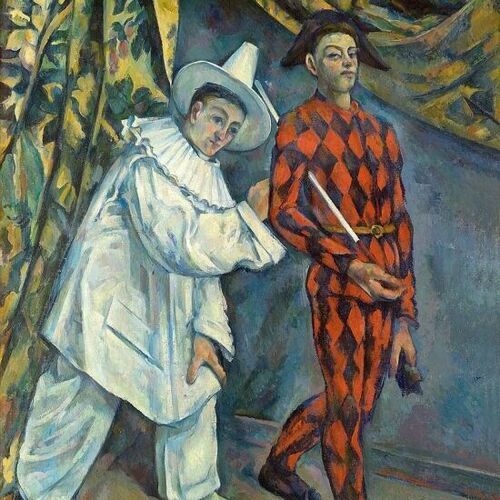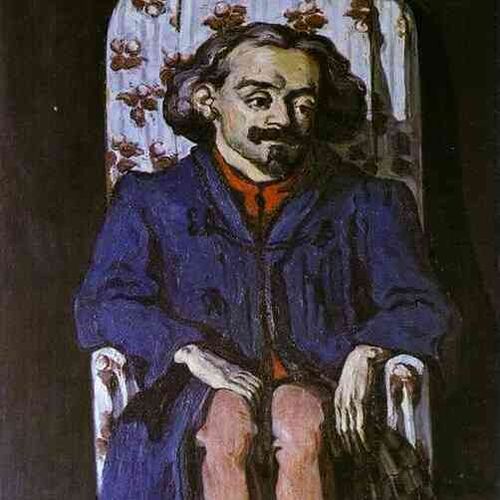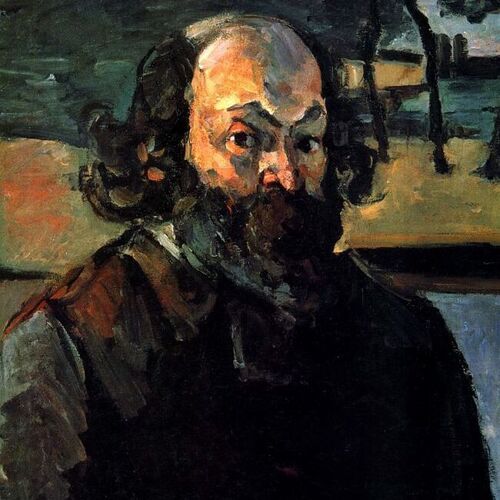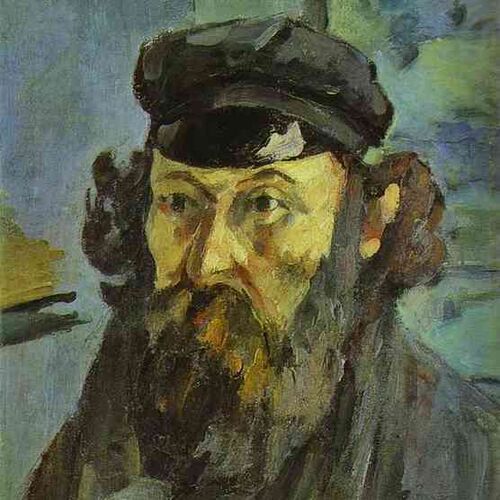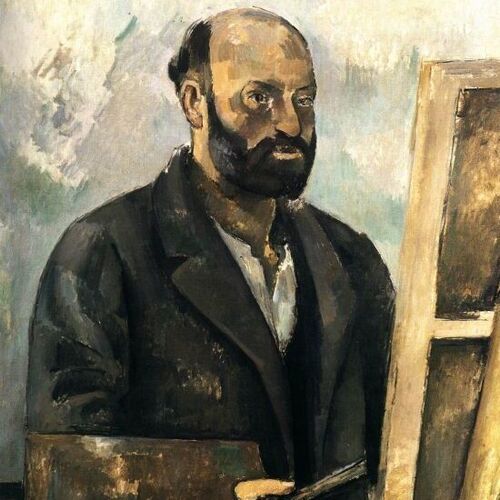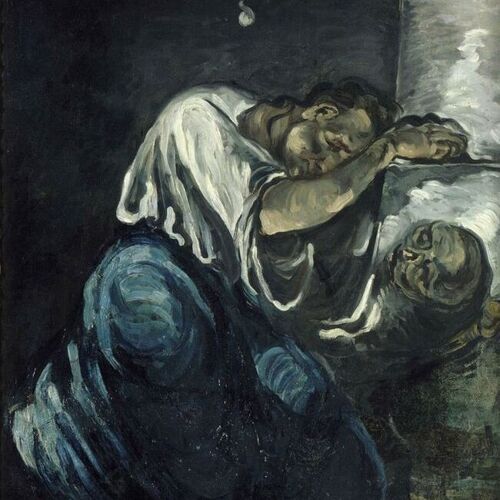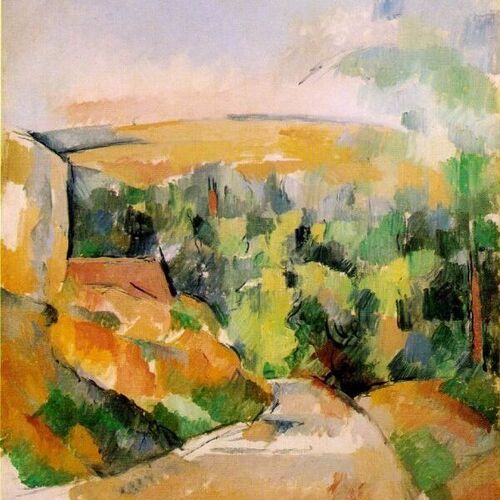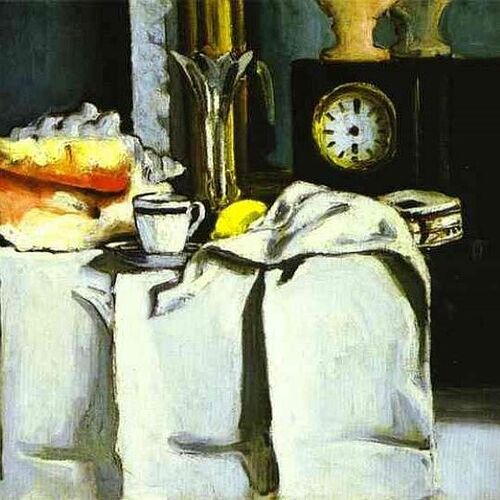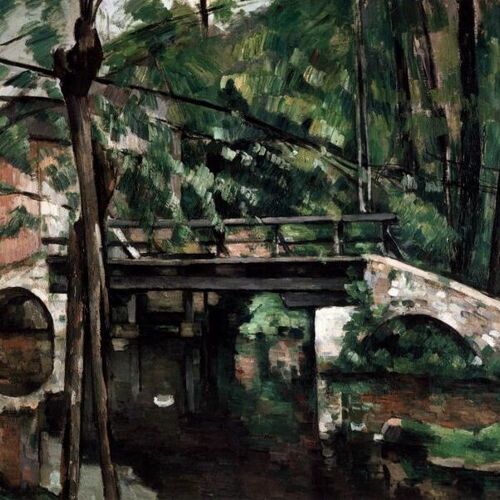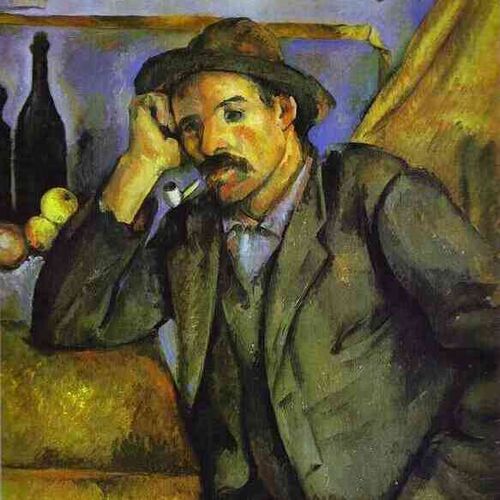
Paul Cézanne (1839 – 1906)
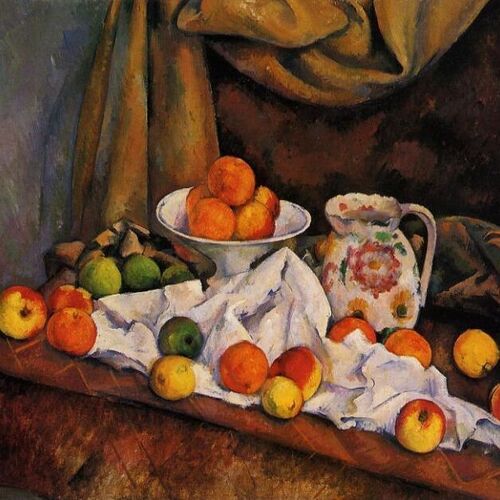
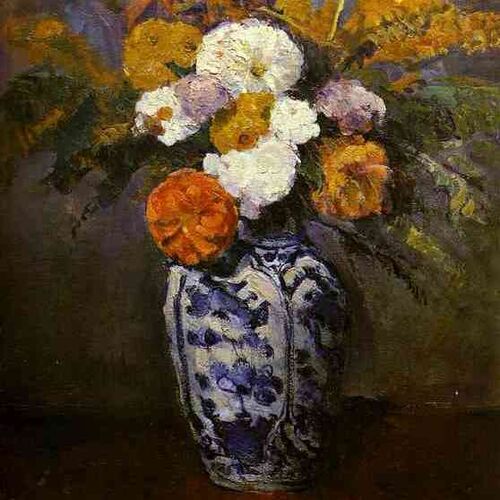
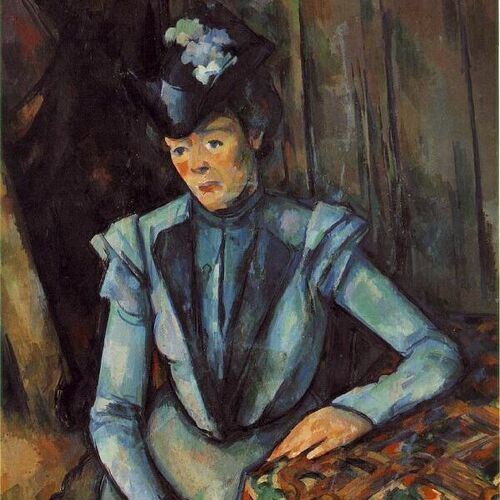
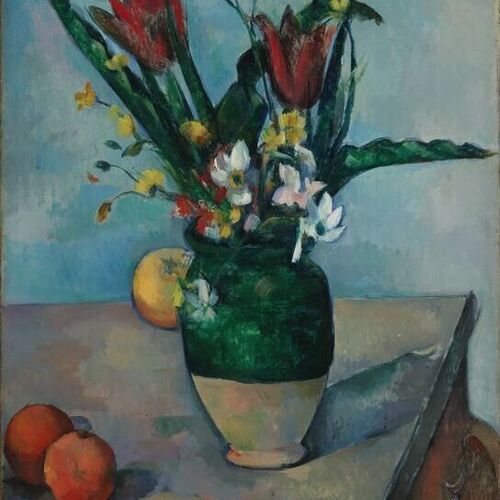
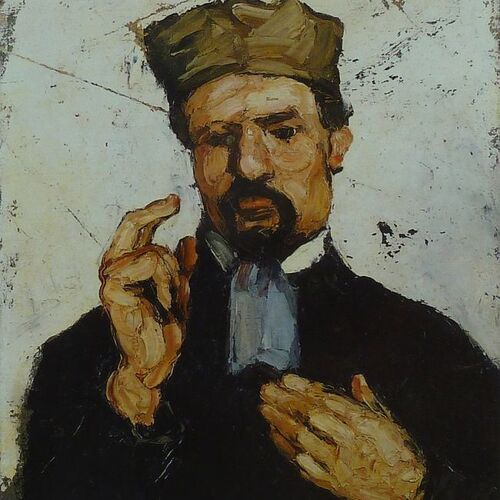
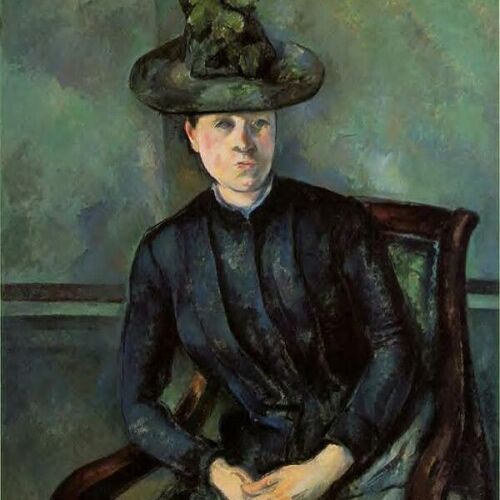
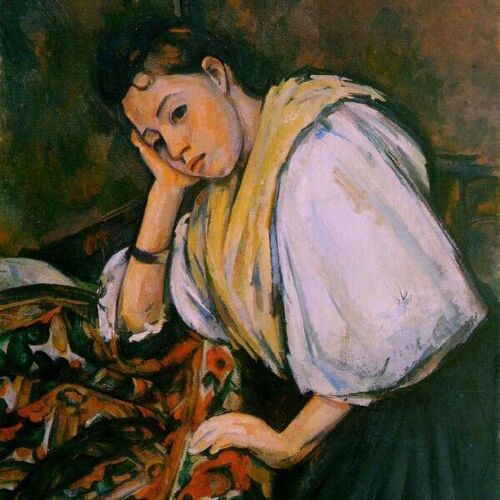
Paul Cézanne was a French, Post-Impressionist artist from Aix-en-Provence. He is said to have been the link between the Impressionists and the ensuing fauvists, romanticists and cubists. He painted, using new and innovative techniques, including small and repetitive brushstrokes that built up into complex shapes and patterns which make his work instantly recognisable. It is believed that both, Henri Matisse and Pablo Picasso, hailed him as, “the father of us all”. In 1852, Cézanne attended the Collège Bourbon, where he met and befriended Émile Zola, who, for a while, encouraged Paul in his art. In 1856, Cézanne moved to the École des Beaux-Arts, in Aix.
Wealth
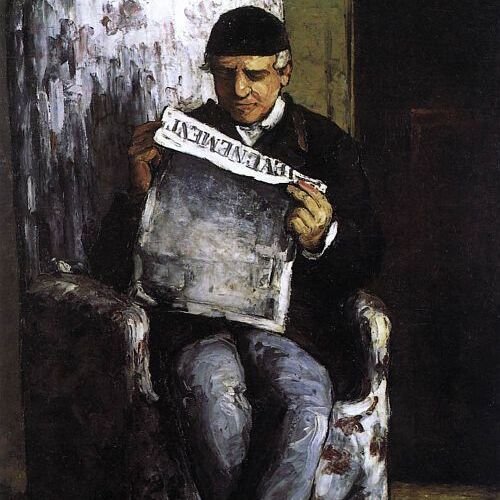
Cézanne’s father, Louis-Auguste, was the co-founder of a successful banking company which gave Paul, financial security throughout his life and eventually led to a large inheritance. His father was opposed to his son’s pursuit of an artistic career and in 1858, he managed to persuade Paul to study law at the University of Aix, but at the same time, Cézanne had enrolled at the Aix School of Design, where he stayed until 1861. Needless to say, Cézanne eventually abandoned law to follow his love of art.
Influences
In 1861, Cézanne went to Paris where he met Camille Pissarro who influenced his development greatly. Other early influences on Cézanne include Eugène Delacroix and Gustave Courbet. Paul divided his time between Provence and Paris until 1899, when he returned to Aix to retire.
Displaying 28 Artworks