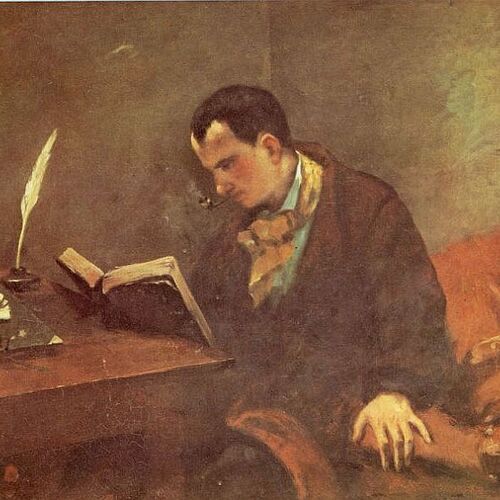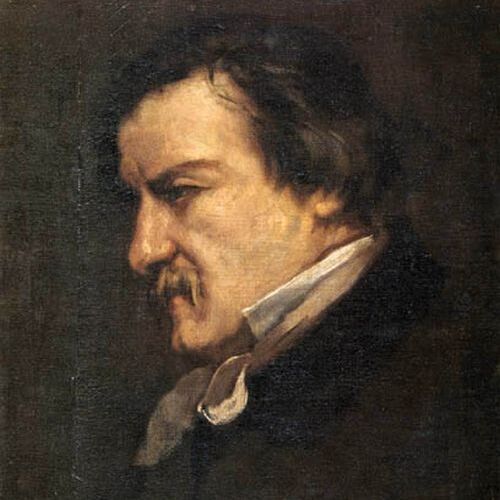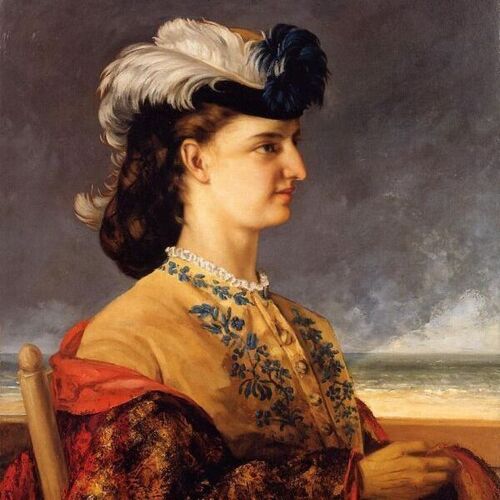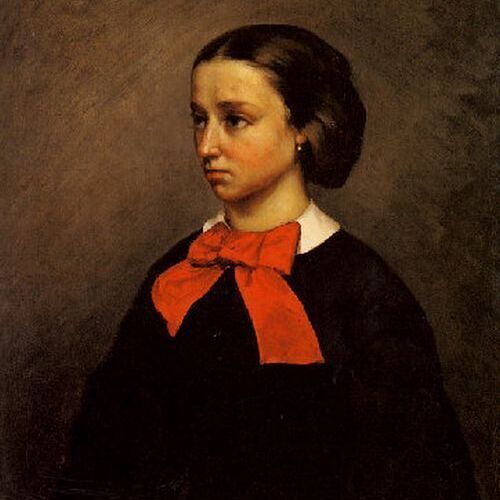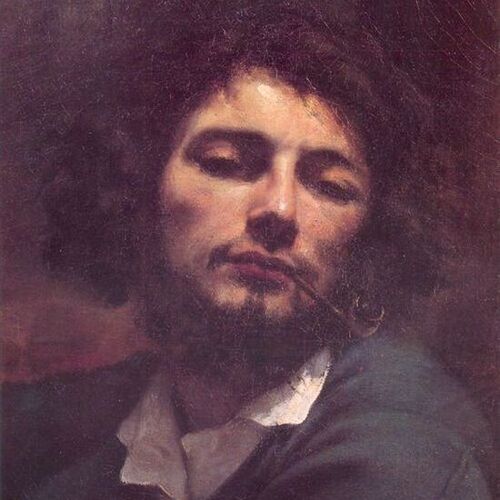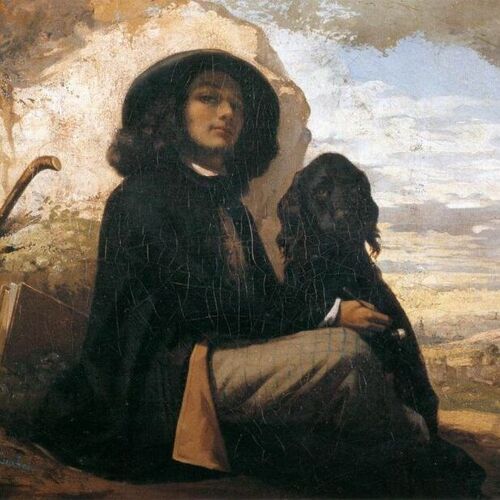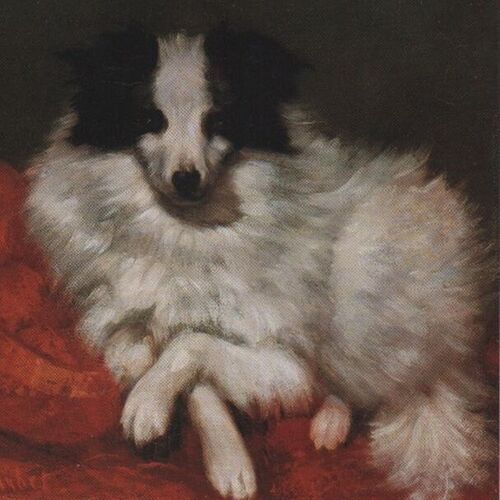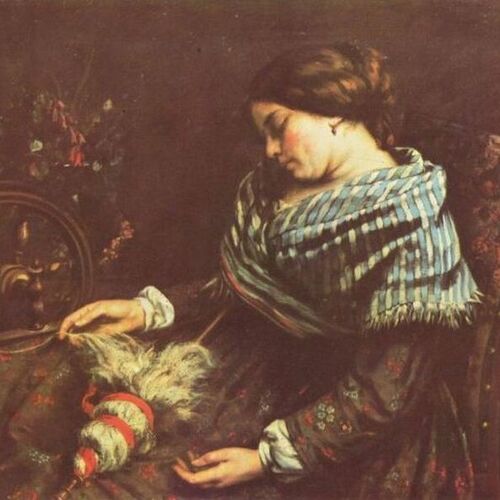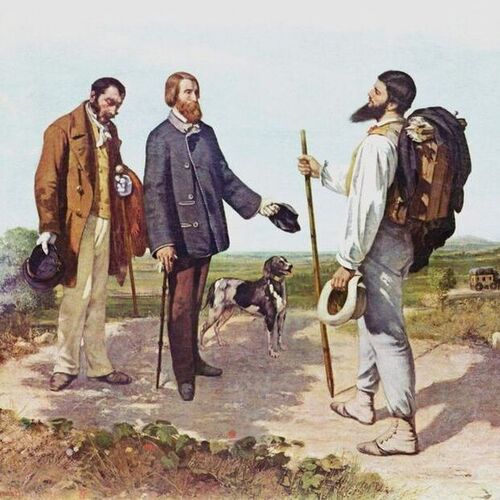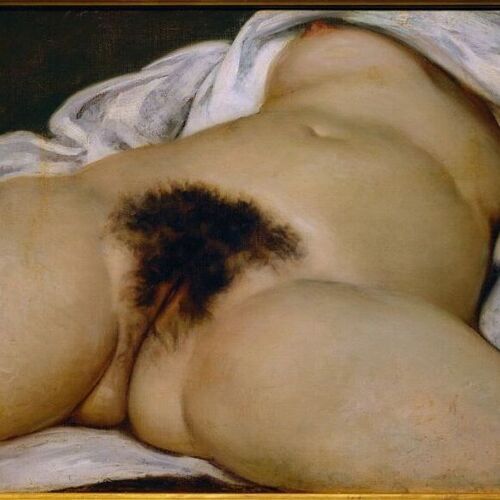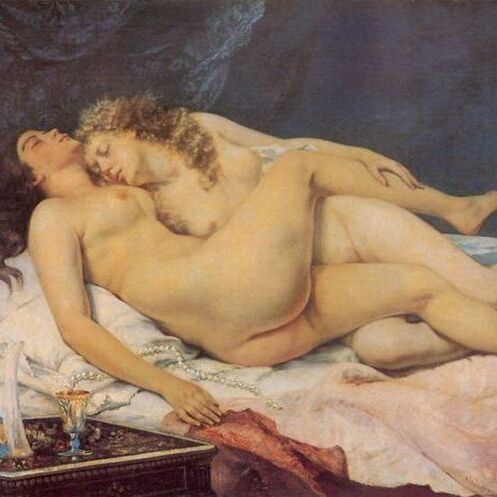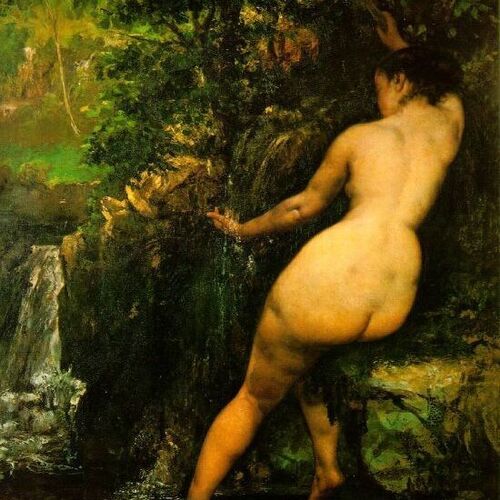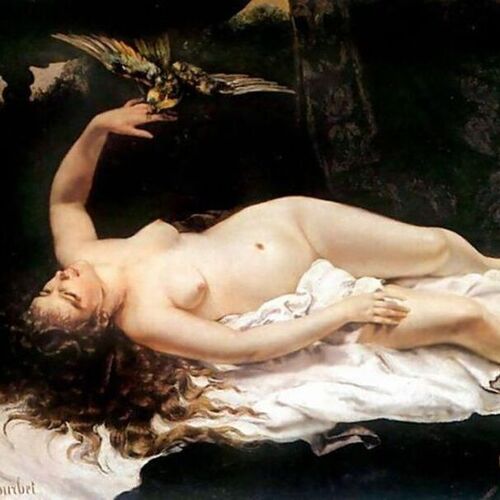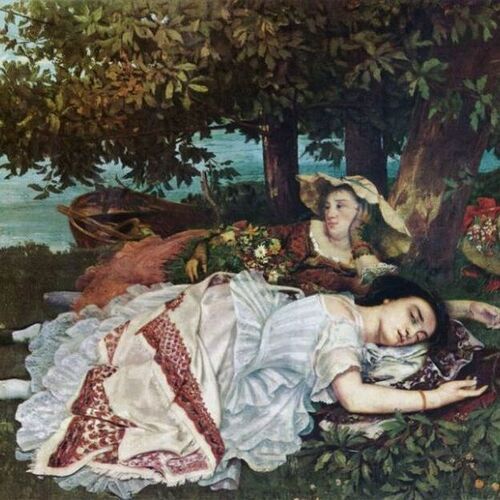
Gustave Courbet, full name, Jean Désiré Gustave Courbet (1819 – 1877)
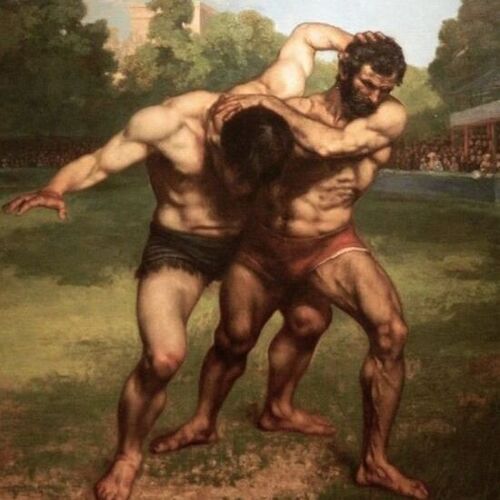
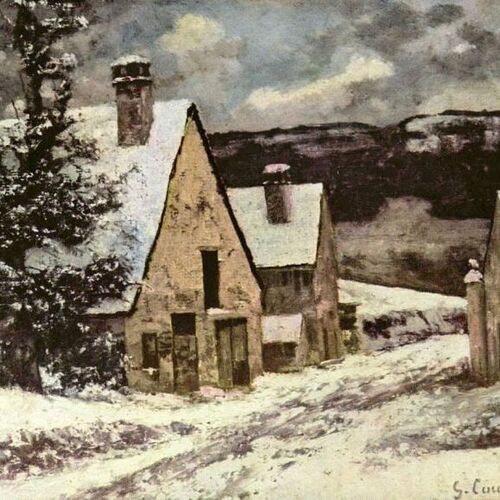
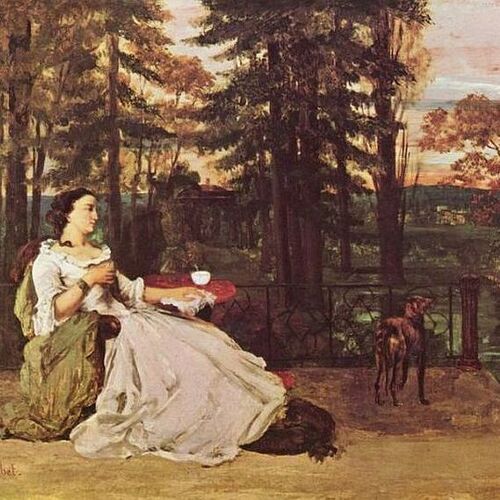
Gustave Courbet was a French artist, born at Ornans in Eastern France. He led the Realist movement and painted, only what he could see. Courbet rebelled against the conventional Romanticism and Academism that prevailed in the work of the visual artists of his era. In 1841, he went to Paris, where he studied and copied the paintings of the masters in the Louvre.
Criticism
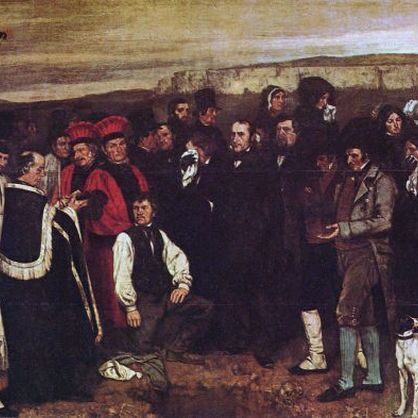
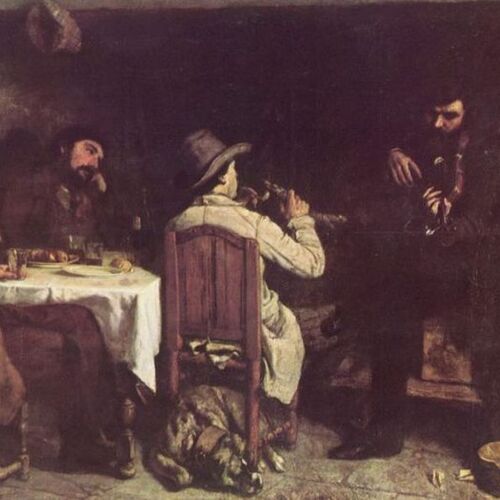
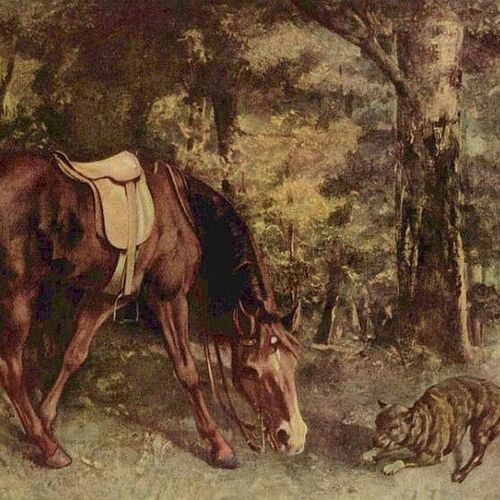
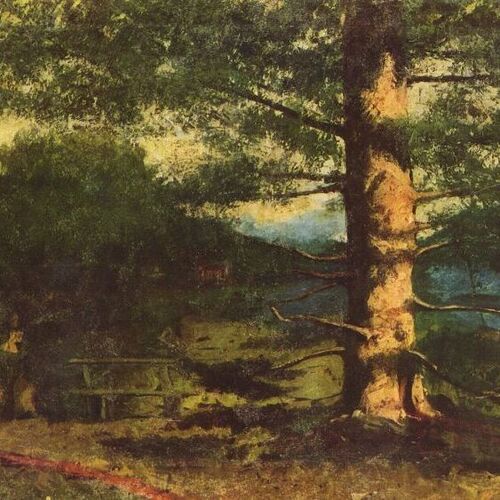
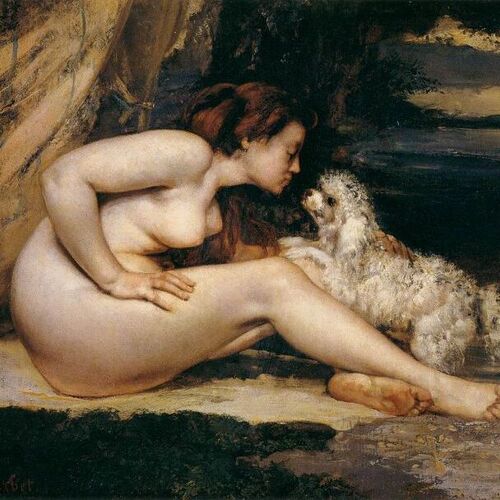
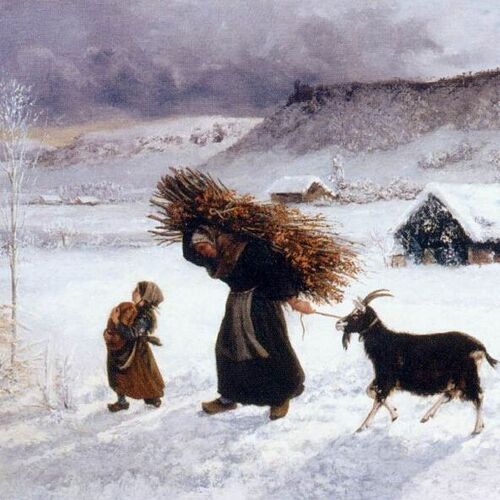
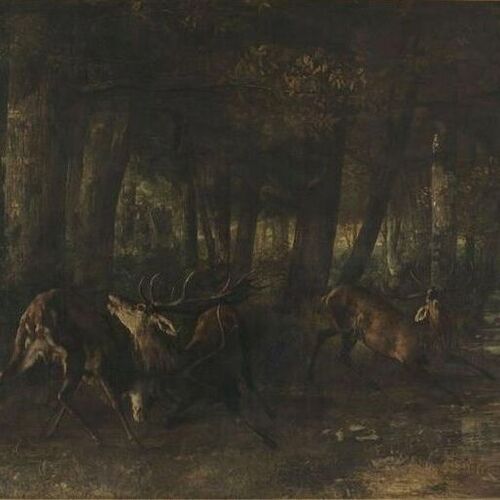
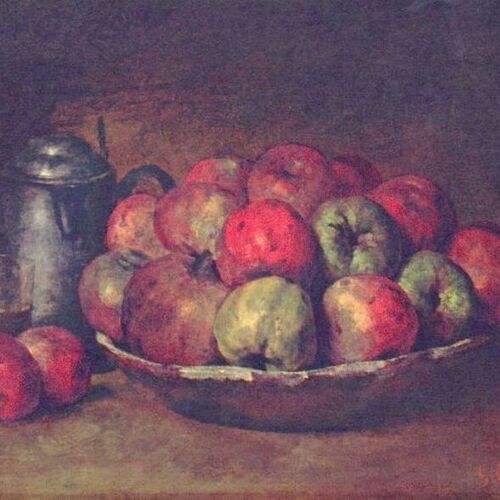
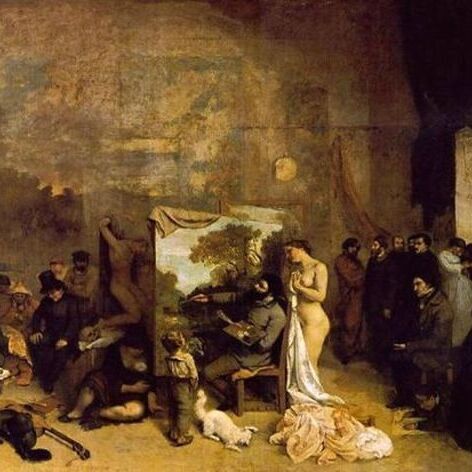
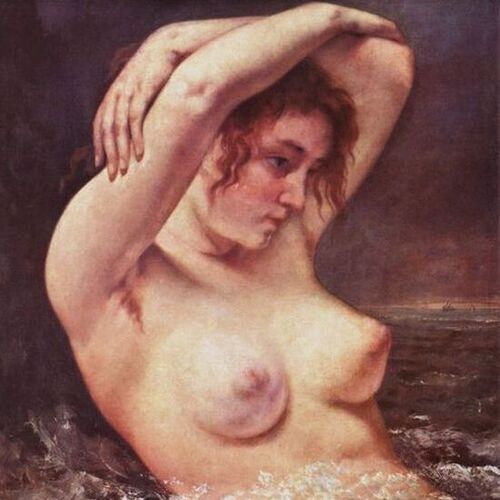
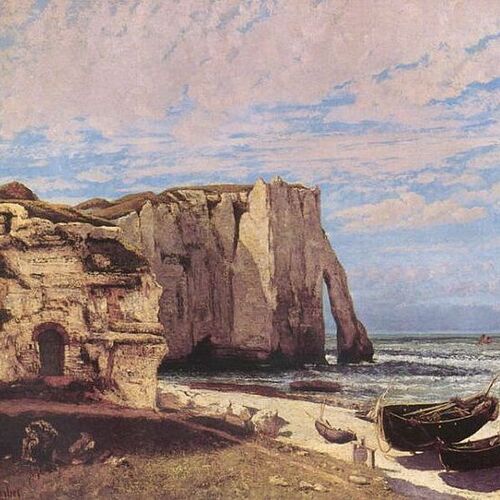
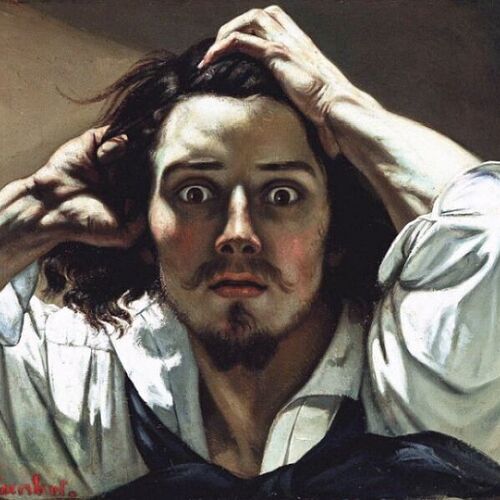
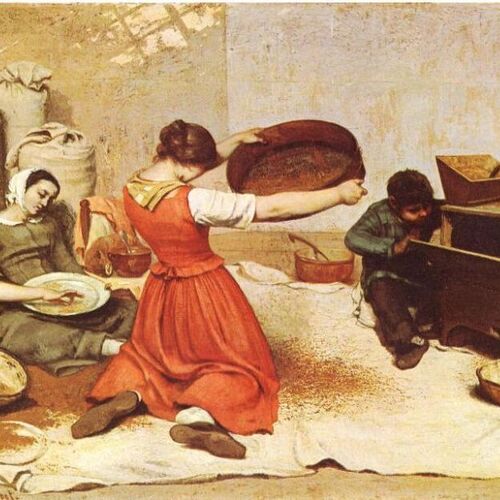
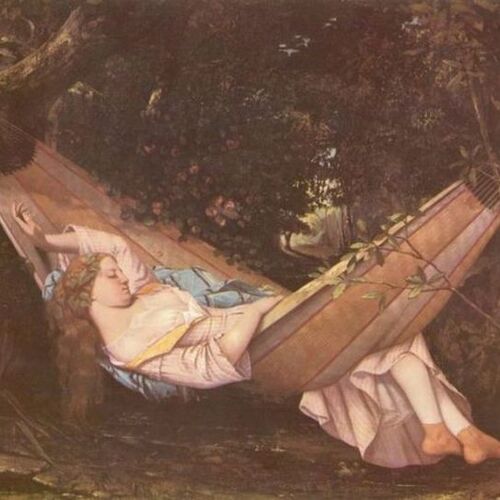
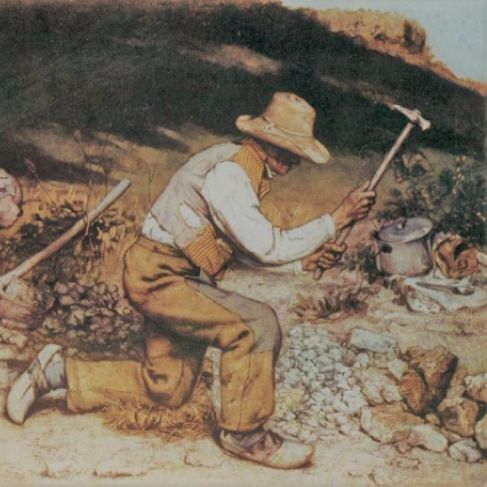
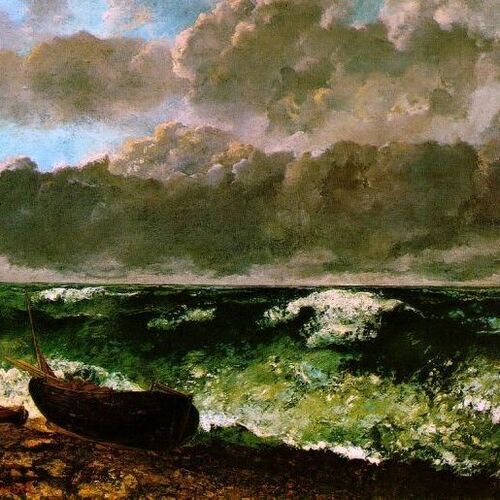
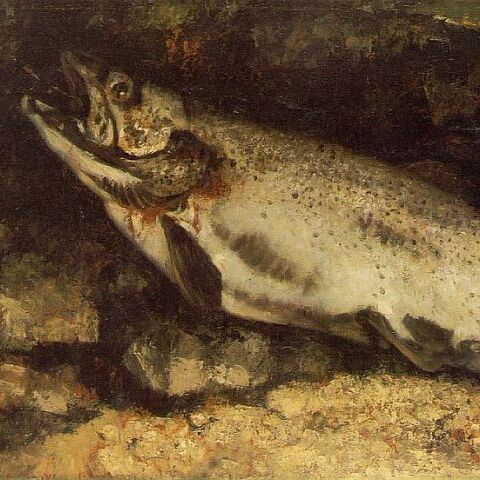
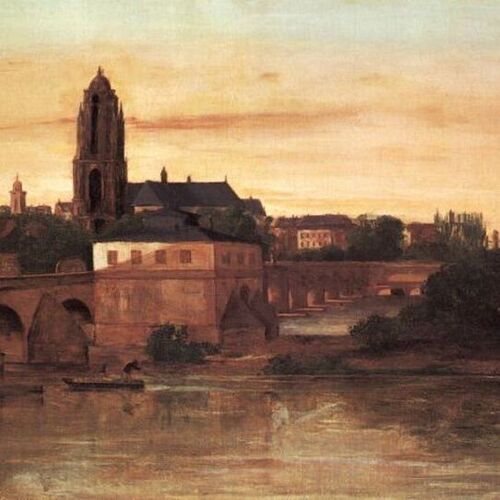
Courbet painted many subjects, including still-lifes, landscapes, nudes and genre scenes, often making political statements, such as the plight of poverty stricken peasants, to compound his point, he painted them on large canvases which brought him much criticism from the establishment in Paris. He did manage to exhibit at the Salon but only after the state bought his painting, “After Dinner at Ornans”. He also exhibited in the provinces where the critics were less harsh. Courbet travelled to Belgium, Holland and Germany, many times, where he enjoyed more success than in France.
Innovator
His independent style became an important example to the following Impressionists and Cubists, Courbet was a pioneer, who was not afraid to make bold social statements through his work. Today, he holds a significant place in 19th century French art.
Displaying 38 Artworks